The Digital Games Tax Offset has changed the conversation for Australian studios. For many developers, the 30% refundable tax offset has become a critical part of funding strategy. It extends runway, reduces financial pressure and allows studios to reinvest into innovation and growth.
But there is one development function that is often underestimated when planning for DGTO. Localisation.
Much like global brands that expand successfully by tailoring their message to each market, game studios rely on localisation to connect with players beyond Australia. Yet, unlike marketing, localisation in games is deeply embedded in development. It touches dialogue, UI, narrative, gameplay instructions and user experience.
The question is not whether localisation is important. It is whether it has been structured correctly. If localisation is delivered offshore, it may not count toward qualifying Australian development expenditure. That can mean the difference between receiving a meaningful refund and receiving nothing on that portion of spend.
Why does this matter?
Imagine a studio allocating $200,000 to localisation. If that expenditure qualifies, a 30% refundable offset could return $60,000 to the business. That is capital that can support additional development, marketing or future updates. If the same work is delivered outside Australia and does not meet eligibility requirements, that potential return disappears. For growing studios, that difference is not minor. It can influence timelines, hiring decisions and overall project scope.
Localisation is sometimes treated as a final stage activity that begins just before launch. In reality, it sits firmly within the development lifecycle. When incurred before release, delivered in Australia, and integrated into development milestones, localisation may contribute to eligible expenditure. Planning early makes all the difference.
Studios should consider localisation during budgeting and production planning, not after development concludes. Confirming eligibility with tax advisors before engaging vendors, ensuring contracts reflect Australian delivery and maintaining clear documentation are all practical steps that strengthen both compliance and financial outcomes.
*Note: In many cases, production and localisation run in parallel,
streamlining workflows and reducing overall development time.
Concept
Production
Localisation
QA & Testing
Launch
How we fit into the landscape

At 2M, we work with Australian game developers to embed localisation directly into their workflow. Our video game localisation services combine experienced gaming linguists, structured QA processes and certified systems to ensure quality and efficiency. Just as importantly, our services are delivered through an Australian entity, allowing studios to structure localisation appropriately within their DGTO framework.
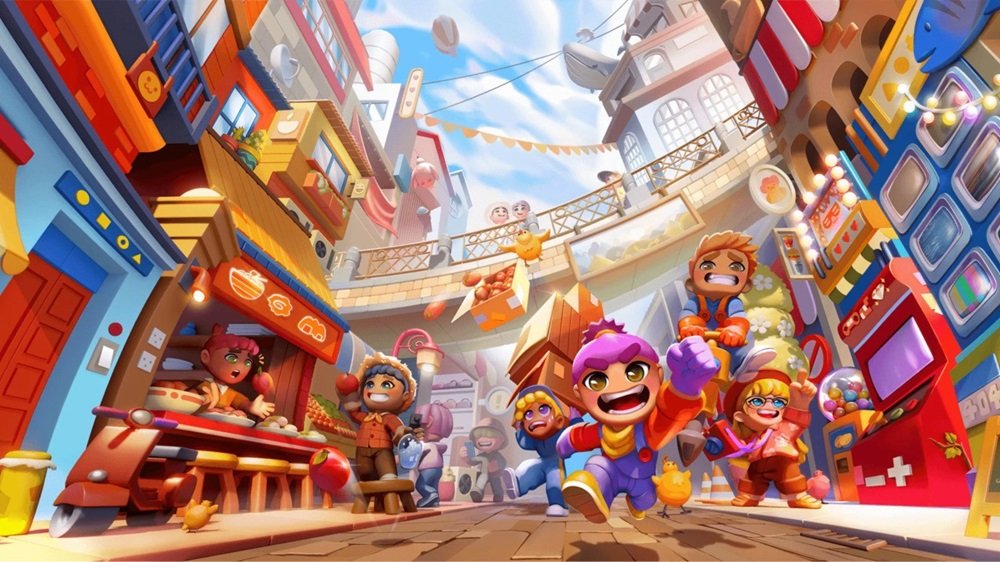
Our ongoing collaboration with Prideful Sloth on Go Go Town demonstrates how localisation can operate as a disciplined development function. Since August 2024, we have supported continuous localisation updates across nine languages, aligning with their internal workflow and managing multiple releases through structured processes. This approach supports global expansion while maintaining consistency and quality across updates.
If you are planning your next release, it may be time to consider localisation not only as market expansion, but as part of your funding strategy.